
The Uniform of U.S. Army Brigadier General Dr. Robert Hardaway III, Who Treated the First Casualties of the Pearl Harbor Attack
$450.00
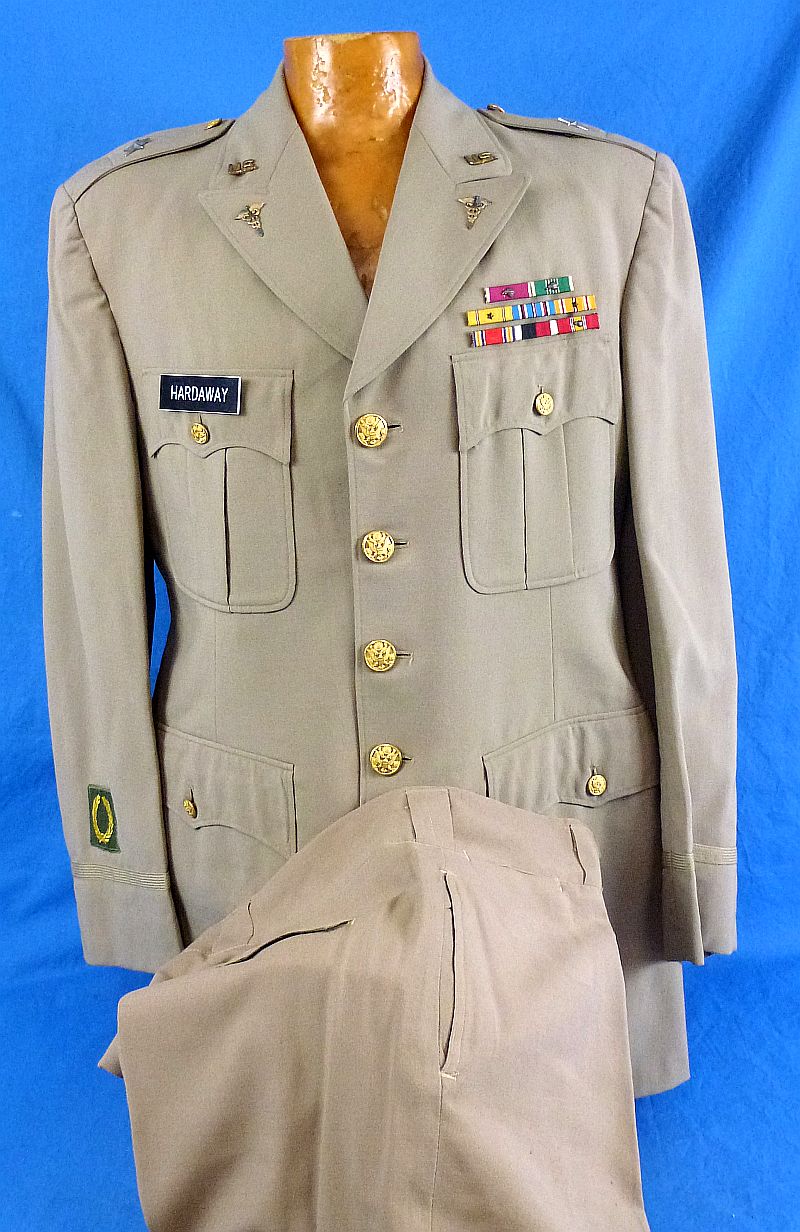
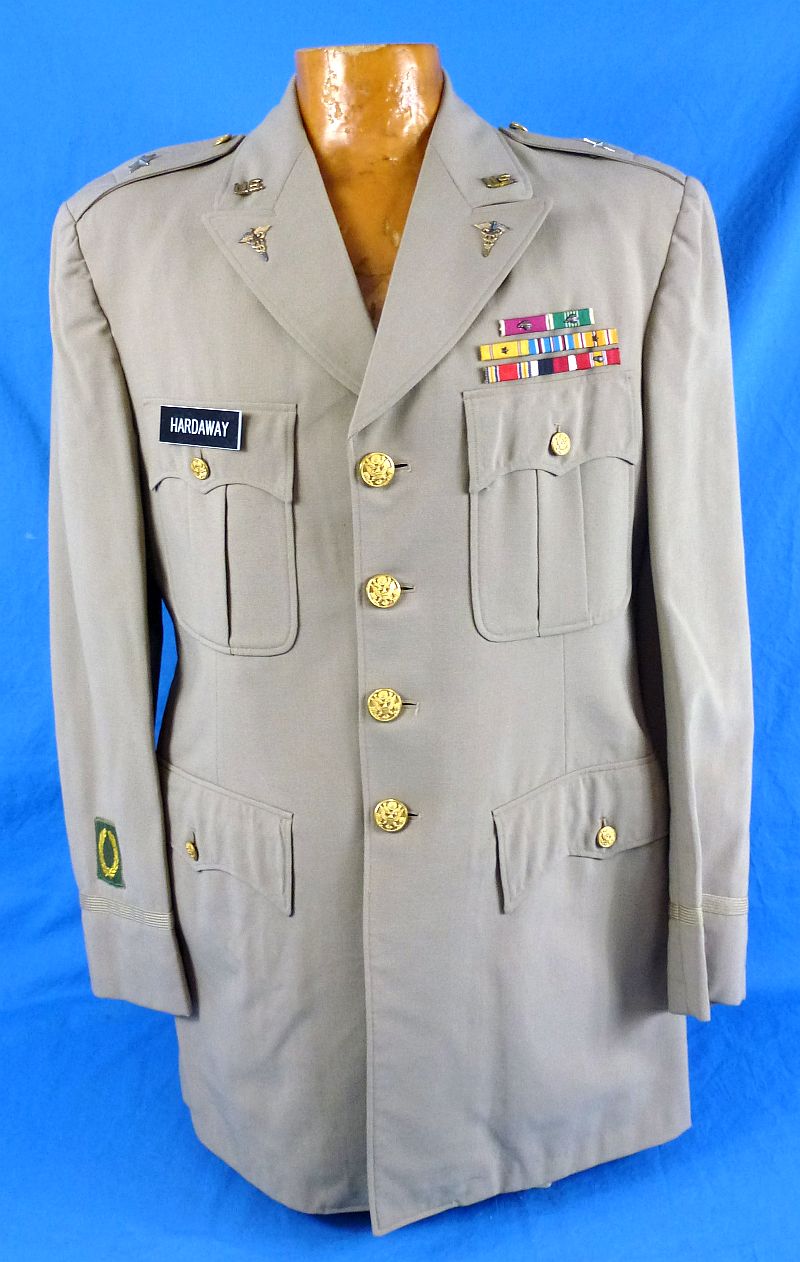
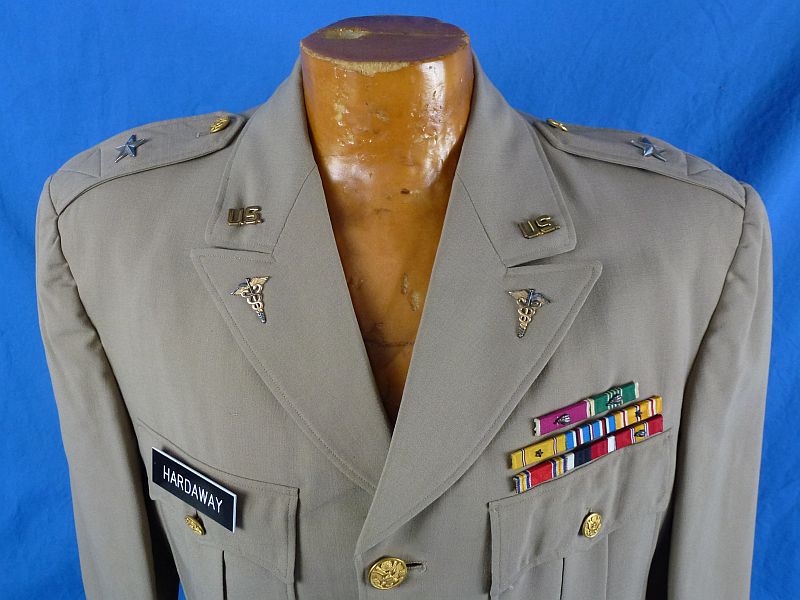
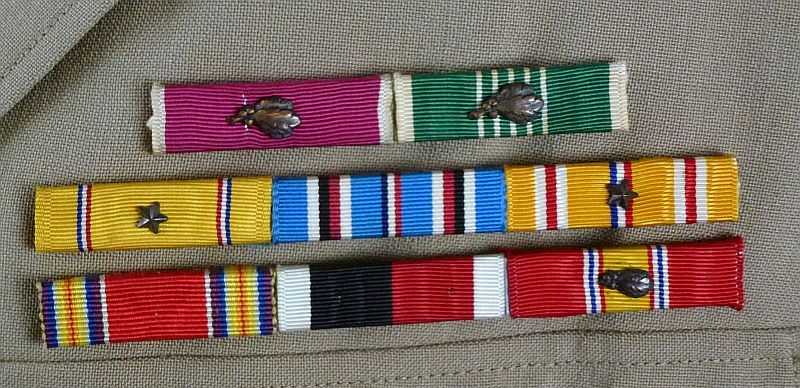
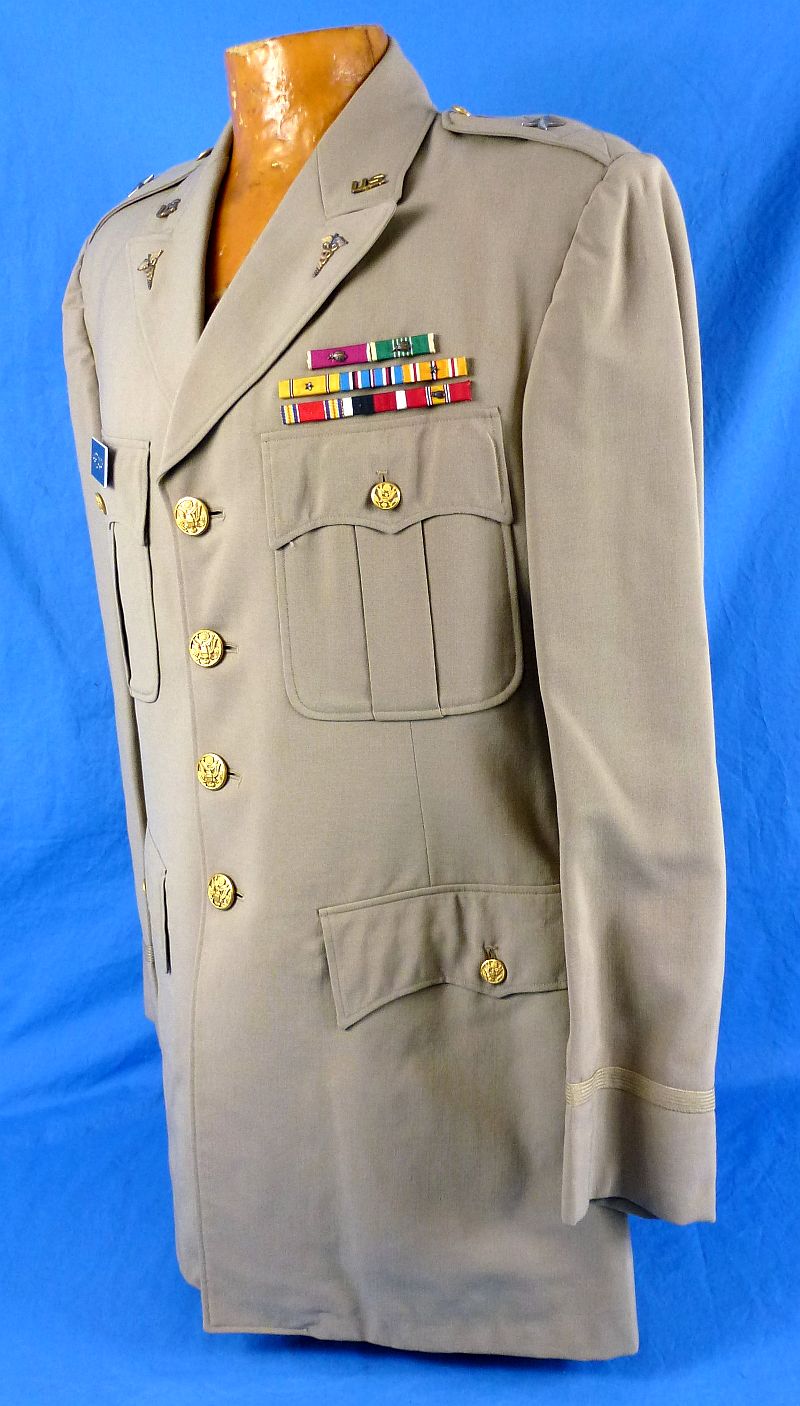
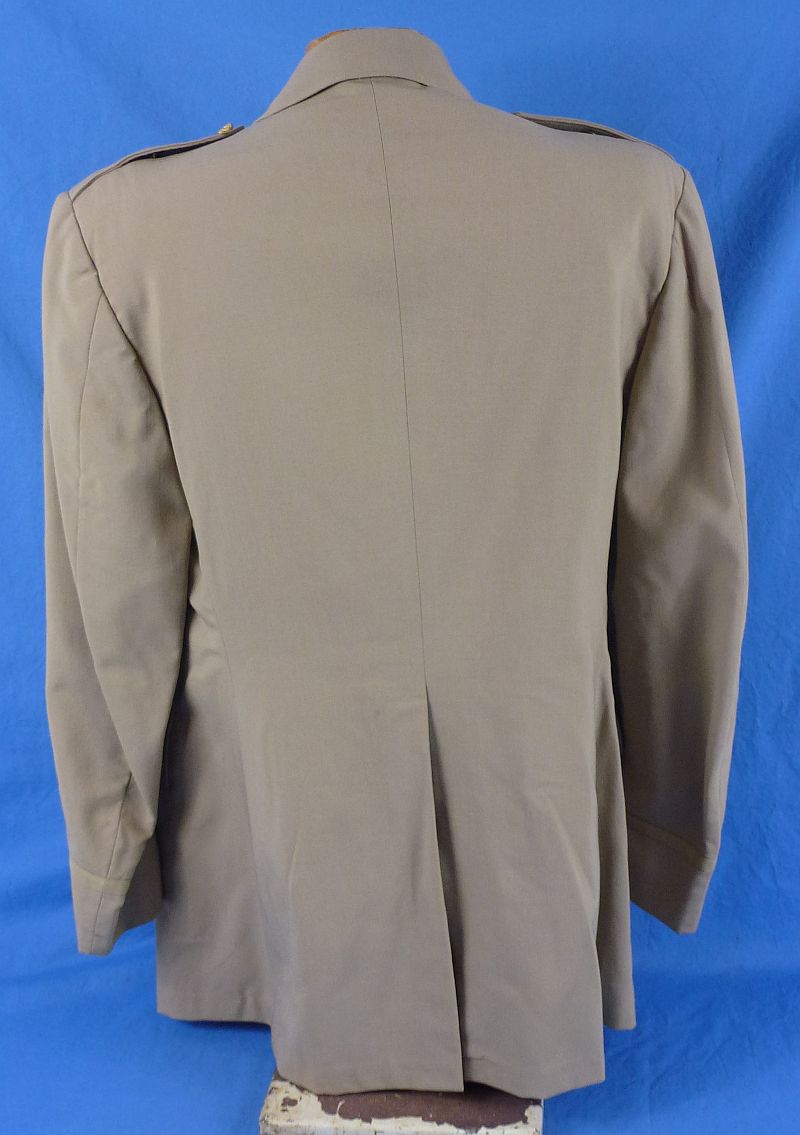
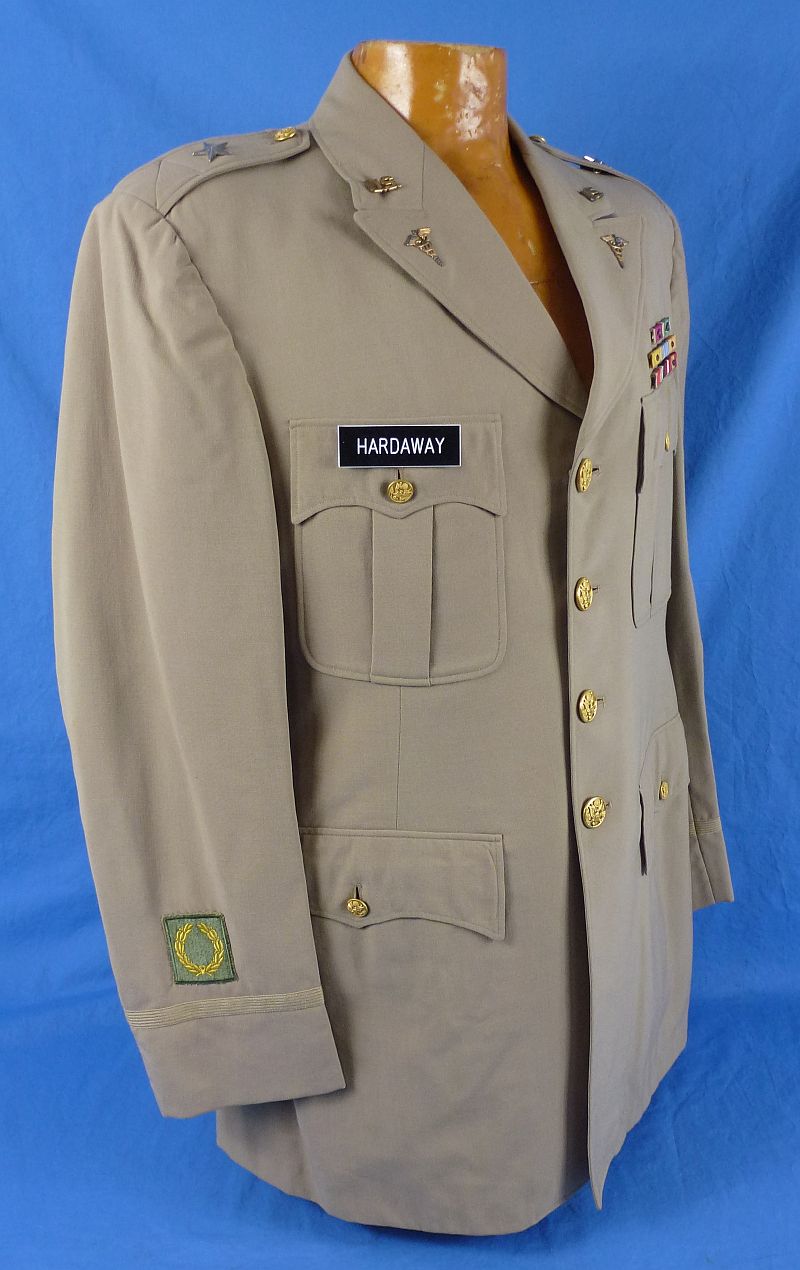
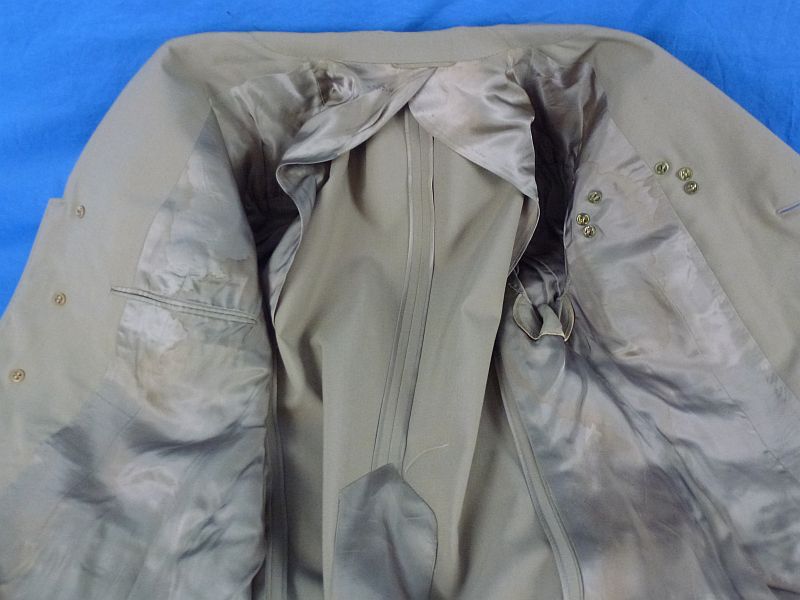
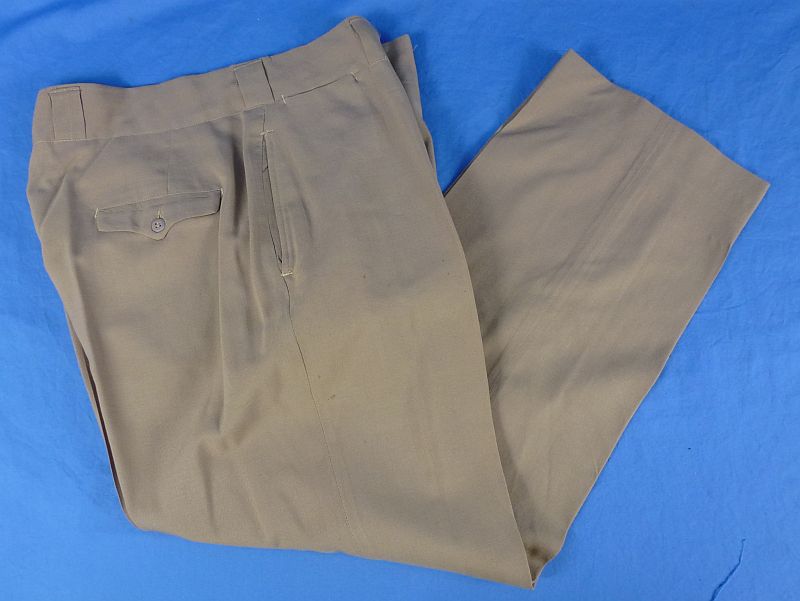
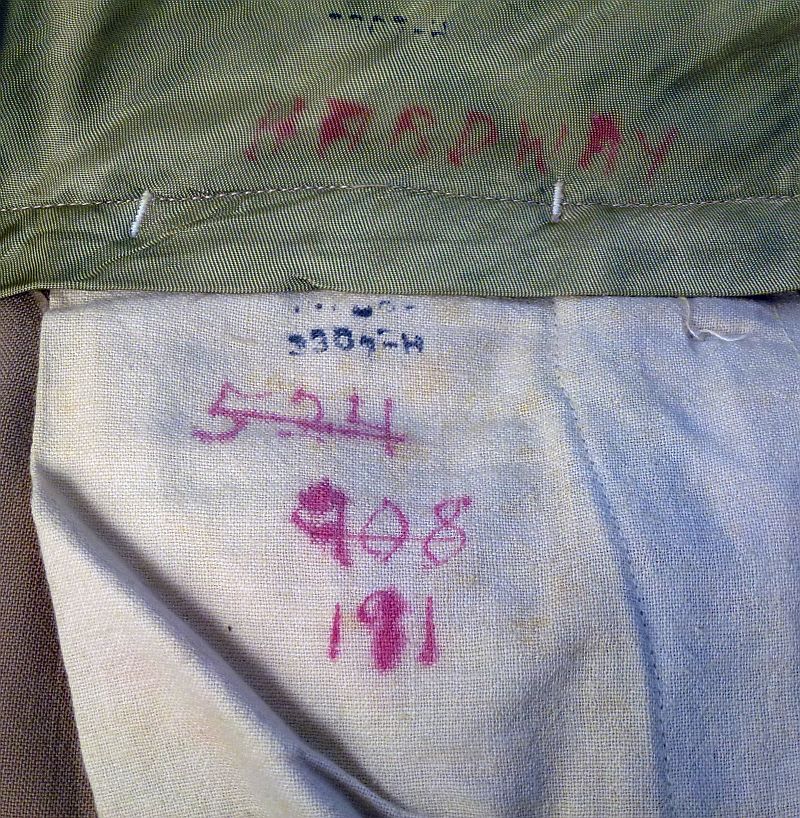
The tropical wool khaki uniform is comprised of the tunic and trousers. Each shoulder of the tunic bears a Brigadier General rank star. The ribbons of General Hardaway’s medals and decorations are above the upper left pocket. The uniform shows some spots and signs of wear, but it is without holes, damage, or repairs, and overall it is in very good condition.
General Hardaway was born at Camp John Hay on the island of Luzon in the Philippine Islands on 9 January 1916, delivered by his Army physician father who was stationed there. He received his AB degree from the University of Denver in 1936, and M.D. Degree Cum Laude from Washington University in St. Louis in 1939. After interning at New York Hospital Cornell Medical Center, he entered active duty in the U.S. Army as a First Lieutenant, Medical Corps on 1 July 1940 as a ward officer on the surgical service of Fitzsimons General Hospital, Denver, Colorado.
In March 1941, he was transferred to Scoffield Barracks, Hawaii, where he first served first as regimental surgeon in the 8th Field Artillery Regiment, Hawaiian Division and then at the North Sector General Hospital. On the morning of December 7, then Captain Hardaway and his wife Lee watched the Japanese planes fly low overhead on their way to bomb Pearl Harbor. He spent the next 48 hours operating non-stop on the wounded from that attack. As General Hardaway himself later related: “The ambulance came roaring in and I ran over and opened the back door and there were these poor Soldiers that were just blown apart. And I knew instantly that this was a war. The bullets were coming from everywhere. There must have been hundreds of bullets in the hospital. Most of them on my ward,” said Hardaway. When a total blackout was ordered, he performed life saving surgery under a blanket with flashlights, working 48-hours to care for over 100 Soldiers.
In 1943, Dr. Hardaway was transferred to the Medical Field Service School, Carlisle Barracks, Pennsylvania, where he served on the faculty until 1945. In this capacity, he wrote recommendations for the reorganization of the medical service of the Infantry Division, later adopted by the Army. After World War II, he was transferred to Madigan General Hospital, Fort Lewis, Washington, to complete his surgical residency.
In 1947-1948, he was assigned as Chief of Surgical Service, 34th General Hospital in Seoul, Korea. In 1949, he completed his surgical training at Fitzsimmons General Hospital, Denver, Colorado and was assigned as Chief of Surgical Service at the U.S. Army Hospital, Fort Belvoir, Virginia, where he organized the first pre-specialty surgical residency in the Army.
From 1954 till March 1958, he served as Chief of Surgical Service, 97th General Hospital, Frankfurt, Germany, subsequently serving as Chief of Surgery at Martin Army Hospital, Ft. Benning, Georgia.
In June 1960, he was assigned as Director, Division of Surgery, Walter Reed Institute of Research, Washington, D.C. Over seven years, he specialized in research in the field of trauma. During this time, he created the first trauma unit, a model upon which similar units were instituted in both military and civilian medical centers.
In 1967 he developed the first portable intensive care unit specifically for use in the Vietnam conflict. He personally accompanied and oversaw its implementation, during which time he was under enemy fire on multiple occasions.
In July 1967, he assumed command of the 97th General Hospital and the Frankfurt Medical Service Area, where in 1970 he was promoted to Brigadier General and was assigned as the commanding general of William Beaumont Army Medical Center in El Paso, Texas.
After 36 years of devotion to the Army, he retired, and in 1976 became Professor of Surgery at Texas Tech School of Medicine in El Paso, Texas.
Citations and decorations included: Army Commendation Medal (1964), American Defense Service Medal, Asiatic Pacific Campaign Medal, National Defense Service Medal (IOLC), Army Occupation Medal (Japan), First Prize Army Science Conference (1964), Army Commendation Medal (1966), Legion of Merit (1967), World War II Victory Medal, Army Campaign Medal, Army Occupation Medal (Germany), Legion Service Medal (1975).
Dr. Hardaway was a Diplomate of the American Board of Surgery, Fellow of the American College of Surgeons, Fellow American Association for the Surgery of Trauma, Fellow of the International Trauma and Surgical Intensive Care Society, a Member of the Society of Critical Care Medicine, and was recognized in “Who’s Who in America” and “Who’s Who in Texas”.
Sold!